

Responsible travel in Peru
Travel with purpose. Experience Peru more deeply.
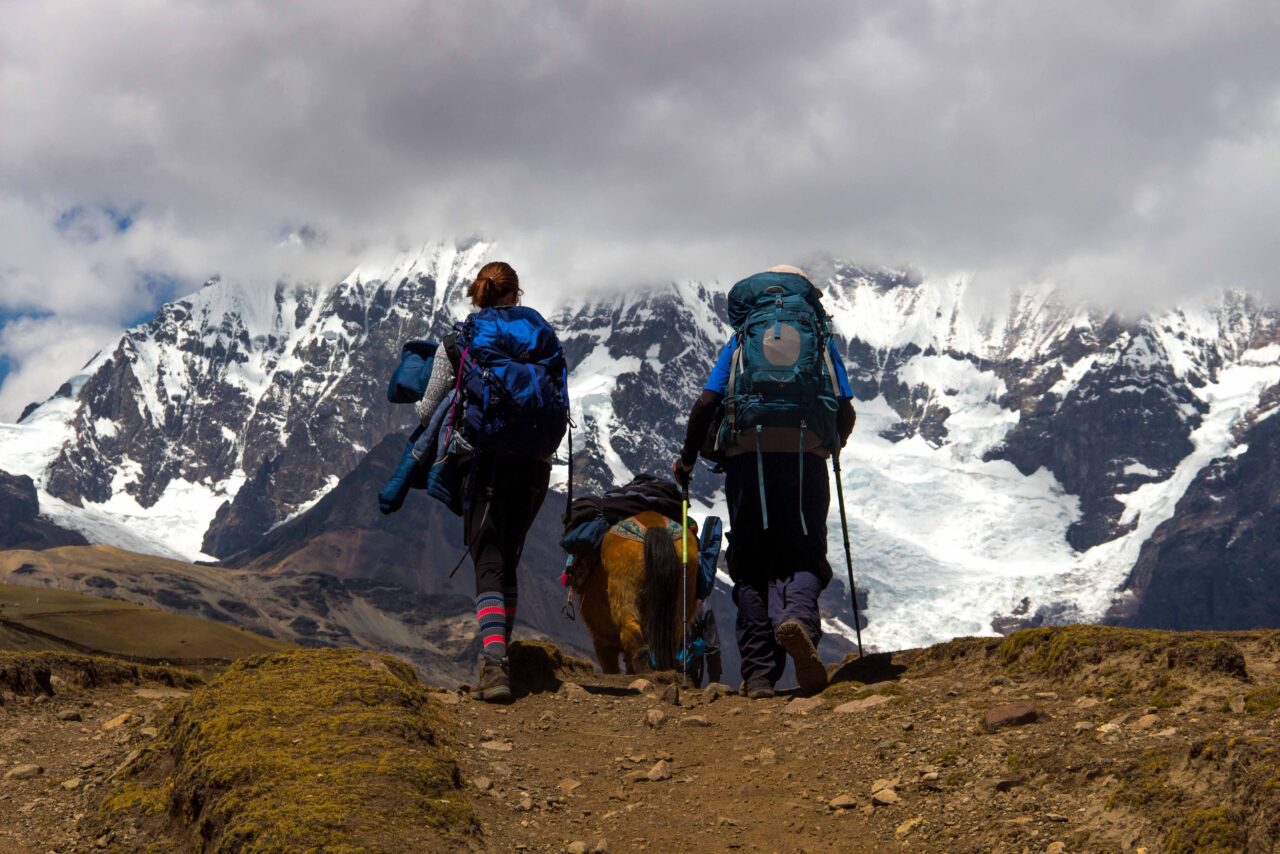
Explore Peru through a tailor-made journey designed by local experts — with thoughtful choices that respect living cultures, support local livelihoods and help protect the landscapes that make this country extraordinary.
A more thoughtful way to discover Peru
To know Peru is also to care for it
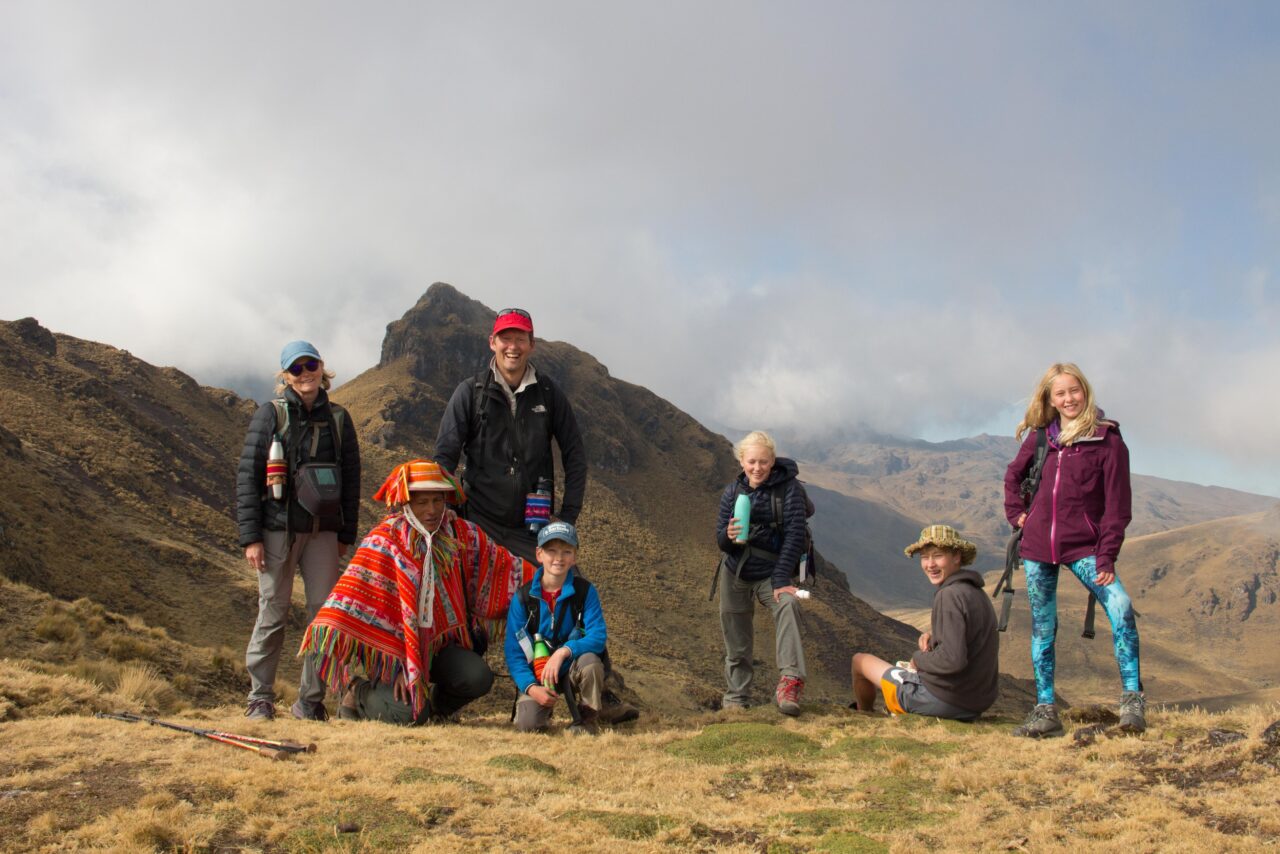
Responsible travel begins long before you arrive. It is shaped by the route you choose, the time you spend in each place, the people involved in your journey and the way you approach a culture that is very much alive.
At Andean Adventures Peru, we design personalized journeys that balance a rewarding experience for you with respect for the places that welcome you. This means reducing avoidable impacts, creating opportunities for local businesses, following conservation guidelines and encouraging cultural encounters built on listening, consent and mutual respect.
We do not believe people or traditions should be staged simply for a photograph. We believe the most meaningful journeys are carefully prepared, locally informed and given the time they deserve.
In practice
What that means on the ground
-
Local team
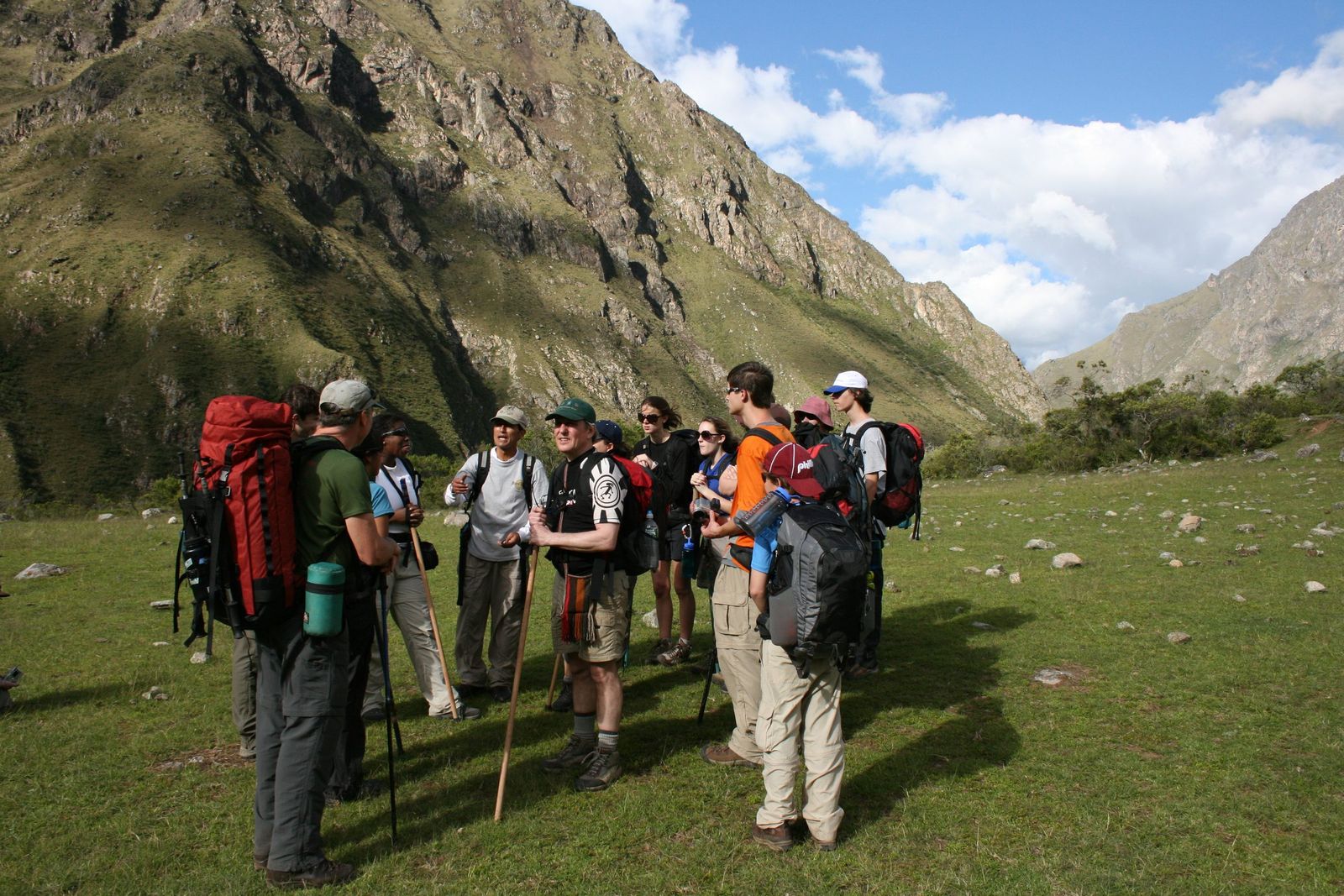
Guides, drivers and office staff hired locally, based in Cusco.
-
Group size
Kept small to limit pressure on the trails.
-
Waste
Managed and carried out at every campsite.
-
Inca Trail
Authorized operator working within the sanctuary’s regulations.
What responsible travel means to us
Six commitments that shape how a journey is built
Keeping value local
Whenever the journey, safety and level of service allow, we work with local guides, businesses, accommodations, producers, cooks and artisans — helping more of the value created by travel remain within the destination.
Respecting living cultures
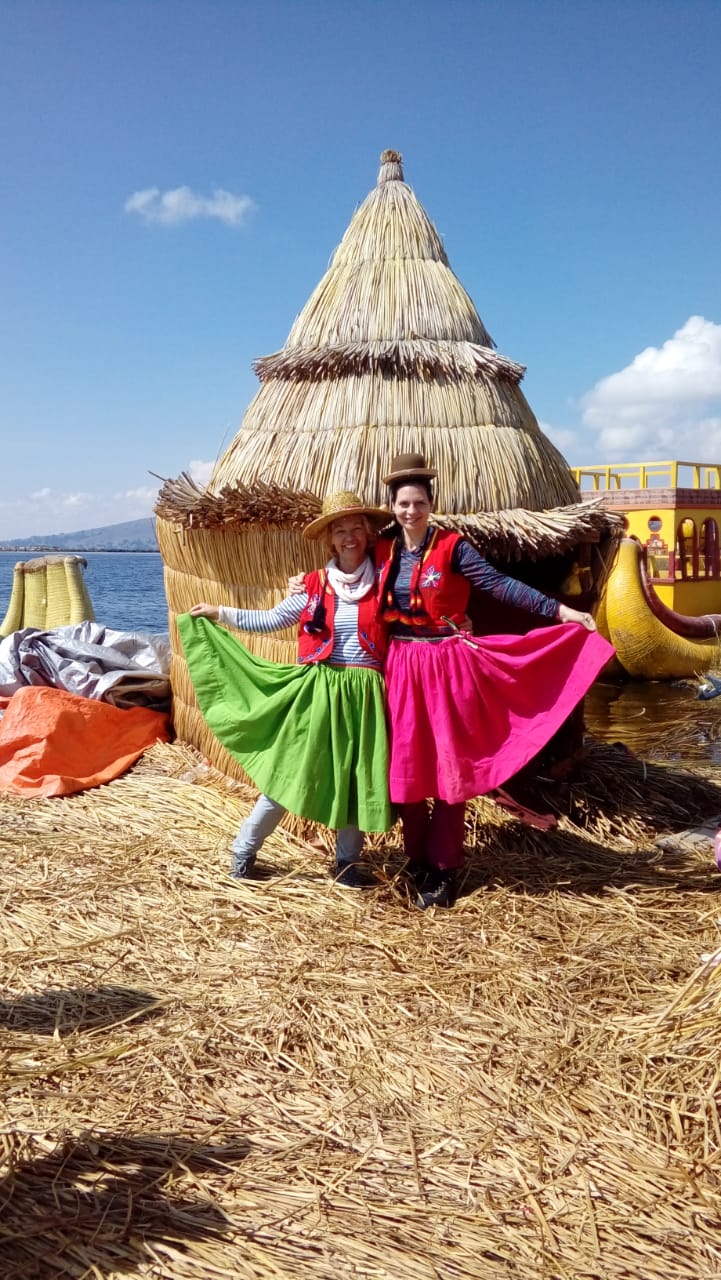
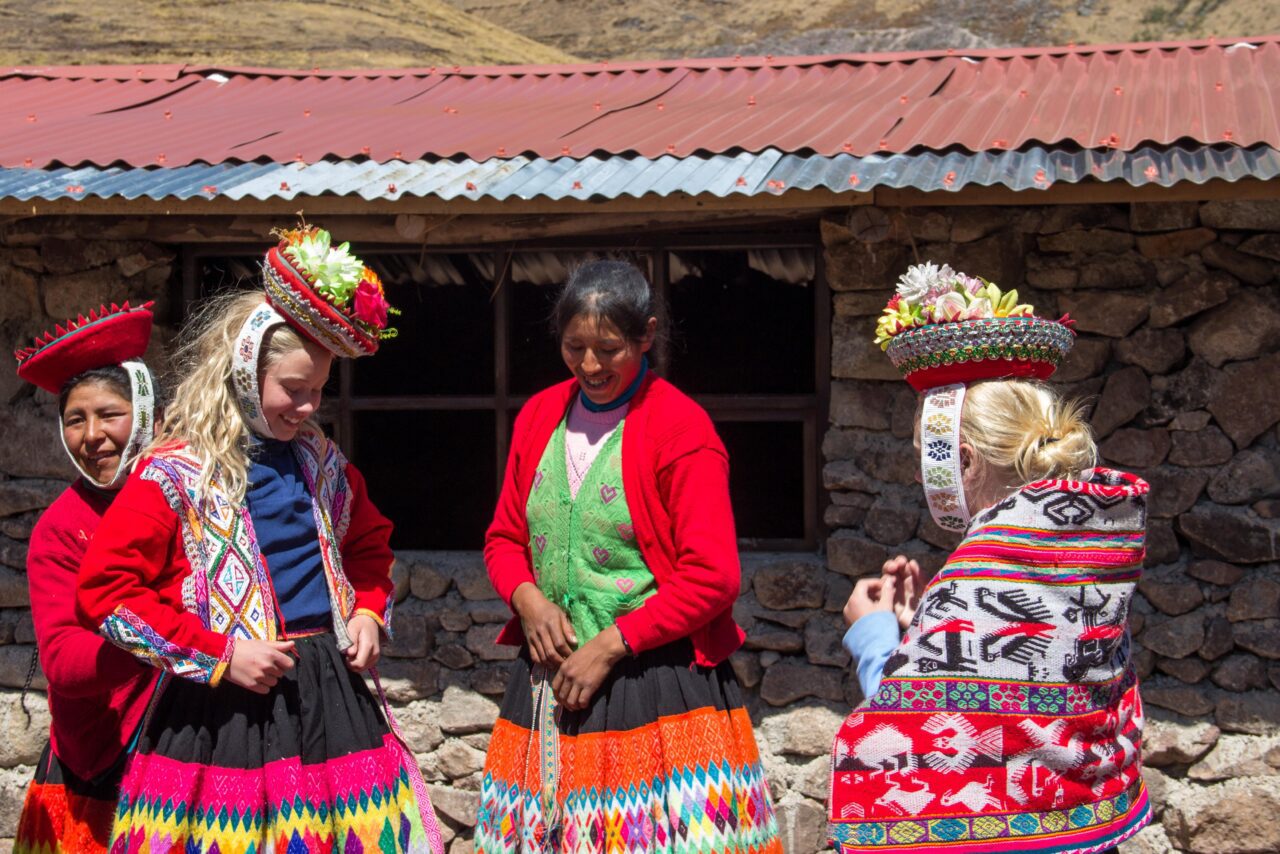
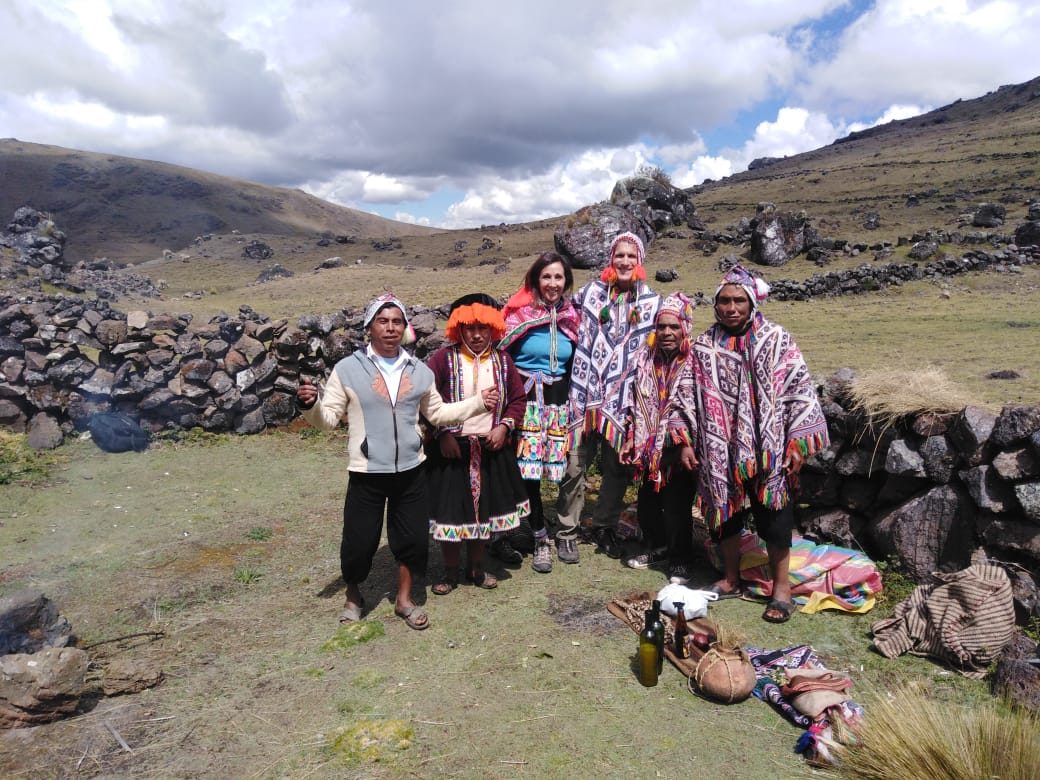
Peru’s languages, textiles, foodways, agricultural knowledge, celebrations and spiritual traditions are living expressions — not tourist displays. We encourage encounters shaped by local voices, appropriate group sizes and respect for community decisions.
Caring for nature and heritage
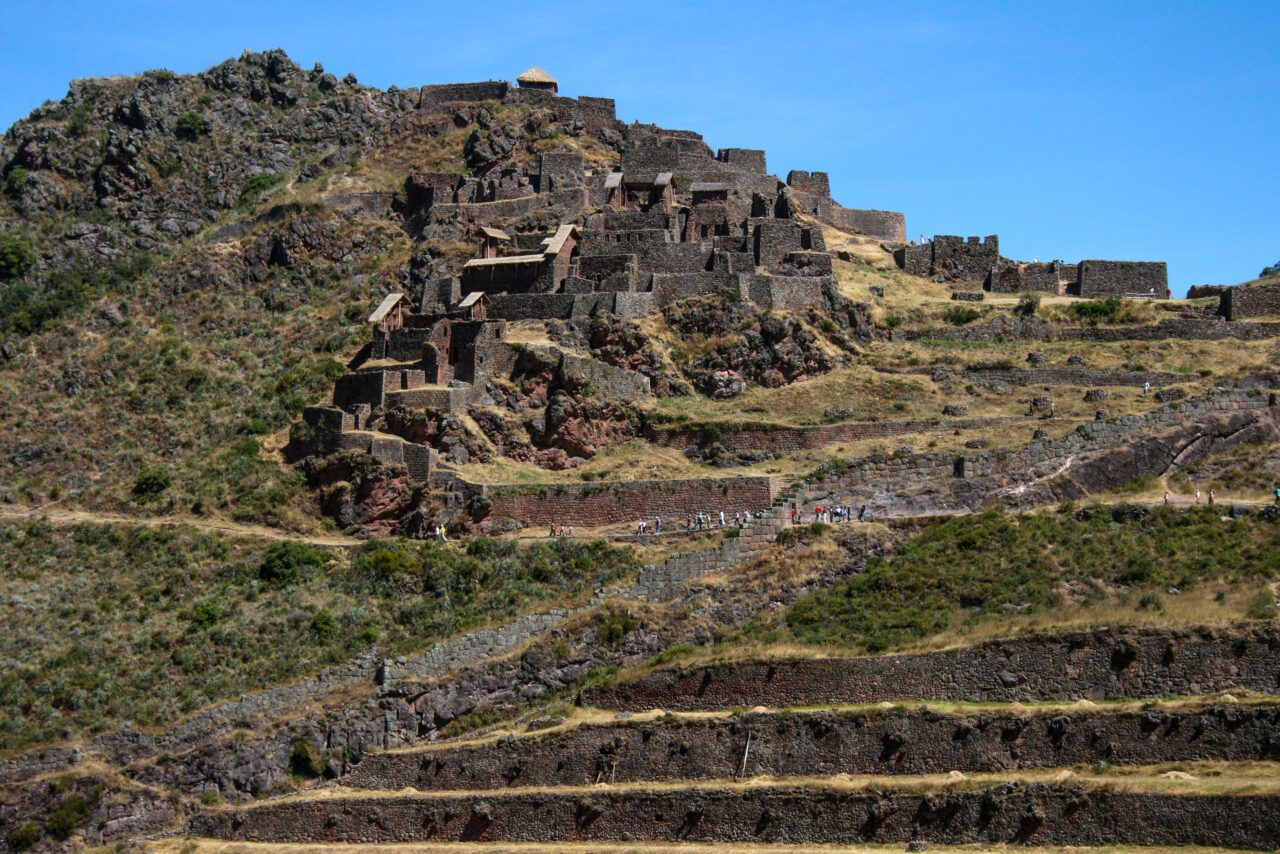
We work to prevent pollution, reduce avoidable impacts and encourage responsible behavior in protected areas, archaeological sites and along trekking routes.
Designing better-paced journeys
A thoughtful itinerary makes space for acclimatization, realistic travel times and deeper experiences. When appropriate, we also introduce less-visited places that complement Peru’s iconic sites and help spread the benefits of tourism.
Putting people first
Responsible tourism begins with people. We value safe operations, respectful working relationships, inclusion and the protection of children and adolescents from all forms of exploitation.
Improving continuously
Training, environmental management, clear operating procedures and measurable goals help us strengthen the way we design and operate travel over time.
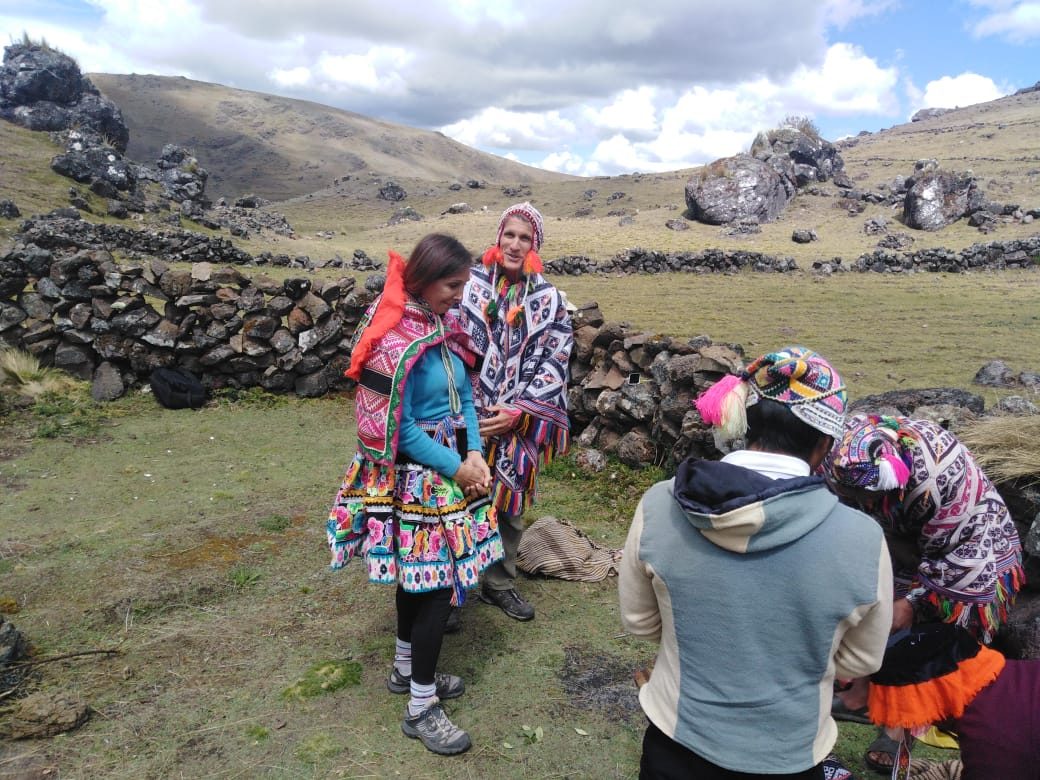
The goal is not simply to travel less. It is to travel better — with greater awareness, respect and connection to place.
From sustainability to positive impact
Travel should give something back
Sustainable tourism aims to reduce negative impacts and protect cultural and natural heritage for the future. Regenerative tourism goes further by asking how travel can help strengthen a place and the relationships that sustain it.
For us, regeneration is not a label to place on every itinerary. It is a long-term direction — one that depends on local participation, shared benefits, honest collaboration and results that can be demonstrated.
We are working towards that direction through locally rooted experiences, community collaboration, support for native landscapes and the continuous improvement of how we operate and measure our impact.
How we put our commitments into action
Four places where this is already happening
Community-based travel in Qelqanca
Our work has included helping to co-create and promote Camino de los Tejedores, an experience connected to Qelqanca’s textile traditions and community life. We have also supported learning exchanges for local leaders and community-led priorities.
Education for more responsible tourism
We have delivered in-person and virtual sessions on sustainability, cultural heritage, protected areas and responsible travel practices for communities, team members and other participants.
Native landscapes and community initiatives
Our activities have included planting native trees, supporting a community greenhouse in Taray and contributing to improvements at a school dining facility in Qelqanca.
Environmental management
Our environmental policy guides us to prevent pollution, reduce the impacts of our activities, meet applicable requirements and improve our processes over time.
- CommunitiesQelqanca, Patacancha, Paucartambo and Taray — [FIGURES FROM 2018–2025, TO BE VALIDATED BY CLIENT BEFORE PUBLICATION]
- Native trees500+ planted — [FIGURES FROM 2018–2025, TO BE VALIDATED BY CLIENT BEFORE PUBLICATION]
- People reached1,000+ through awareness activities — [FIGURES FROM 2018–2025, TO BE VALIDATED BY CLIENT BEFORE PUBLICATION]
The Weavers’ Trek
A route the community helped design
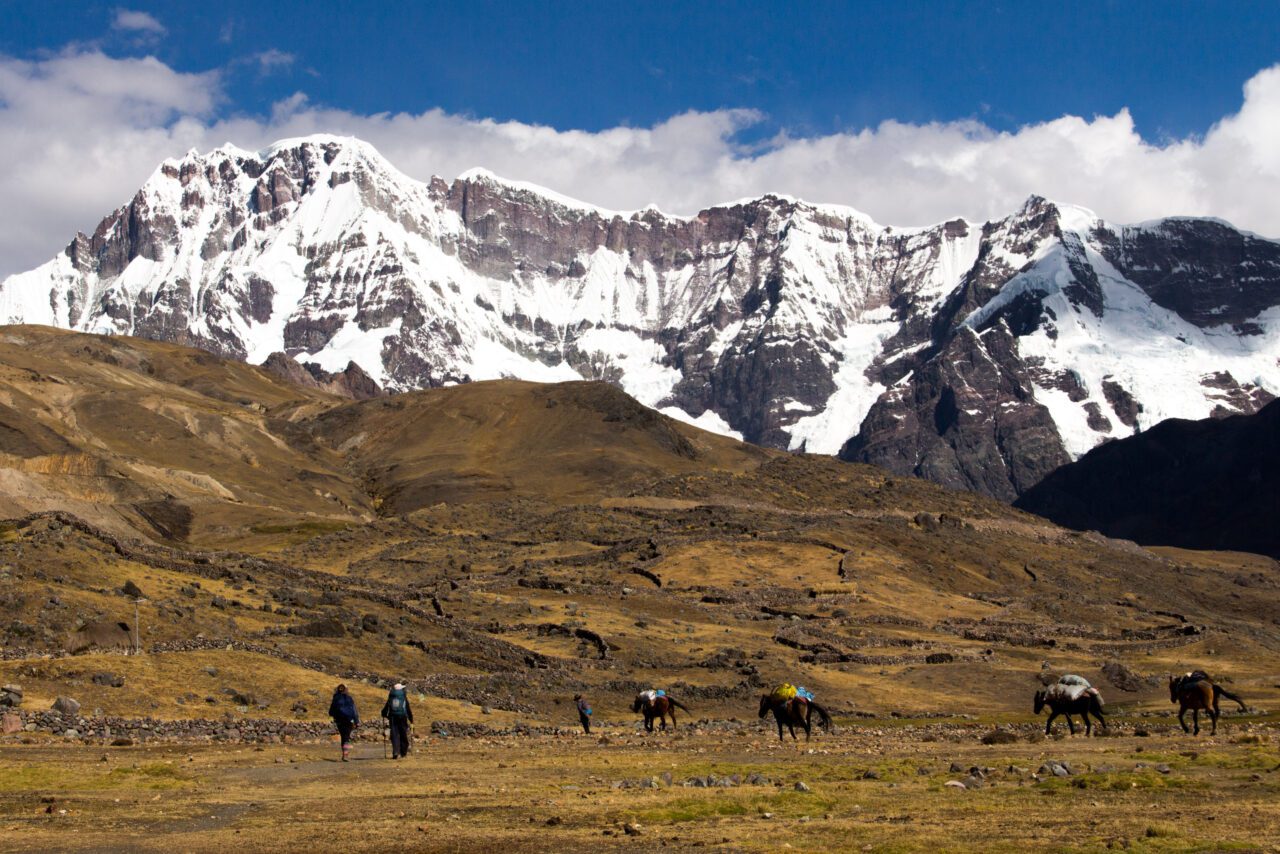
Travellers walk the Lares and Patacancha valleys and stay with families who still weave with natural dyes and backstrap looms. It runs as a partnership: the community sets what is shared and what is not, and the visit funds the weaving rather than replacing it.
See the itinerary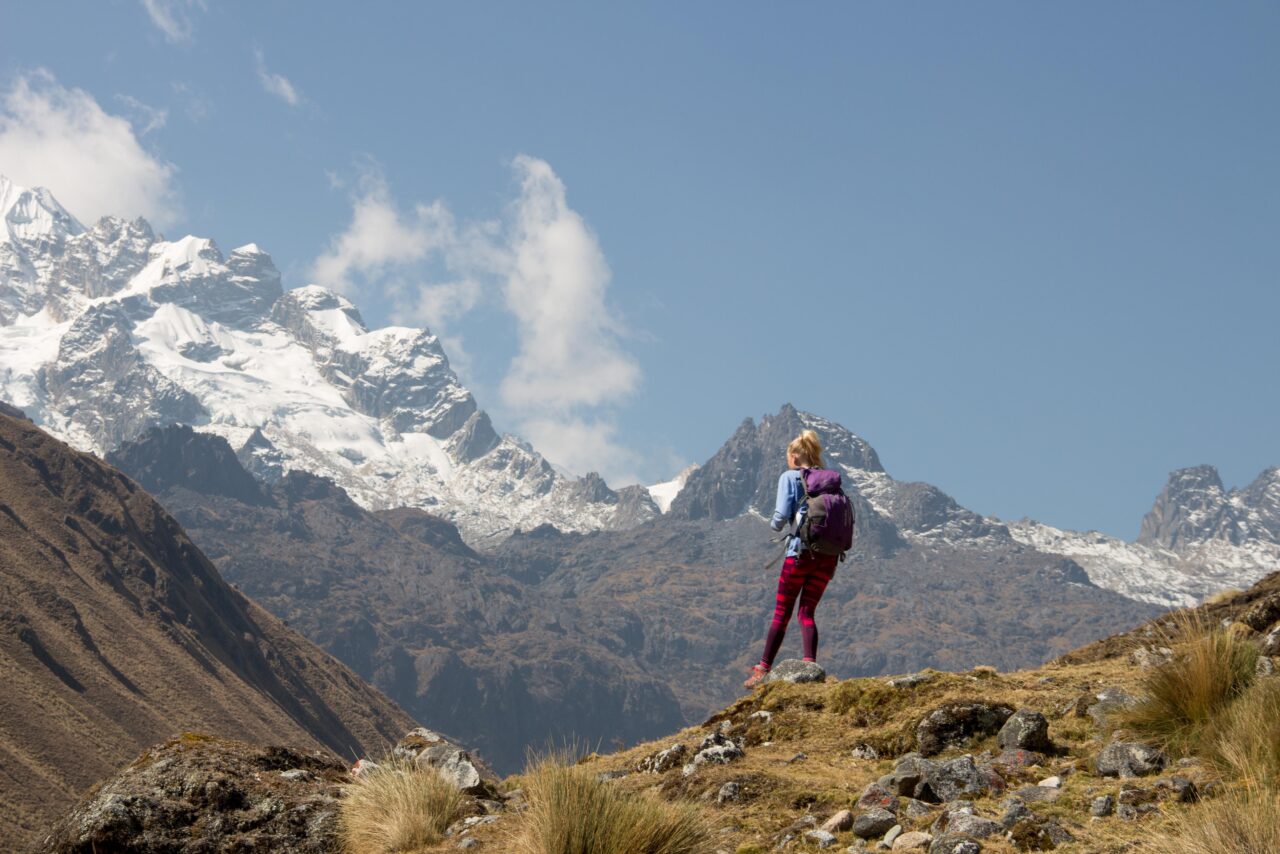
Responsible travel in Cusco
Visit with curiosity. Leave with greater understanding.
Cusco holds an extraordinary concentration of cultural and natural heritage. It also faces challenges linked to visitor pressure, waste, water use, traffic and the rapid transformation of community spaces.
Thoughtful choices can make a meaningful difference:
-
Machu Picchu
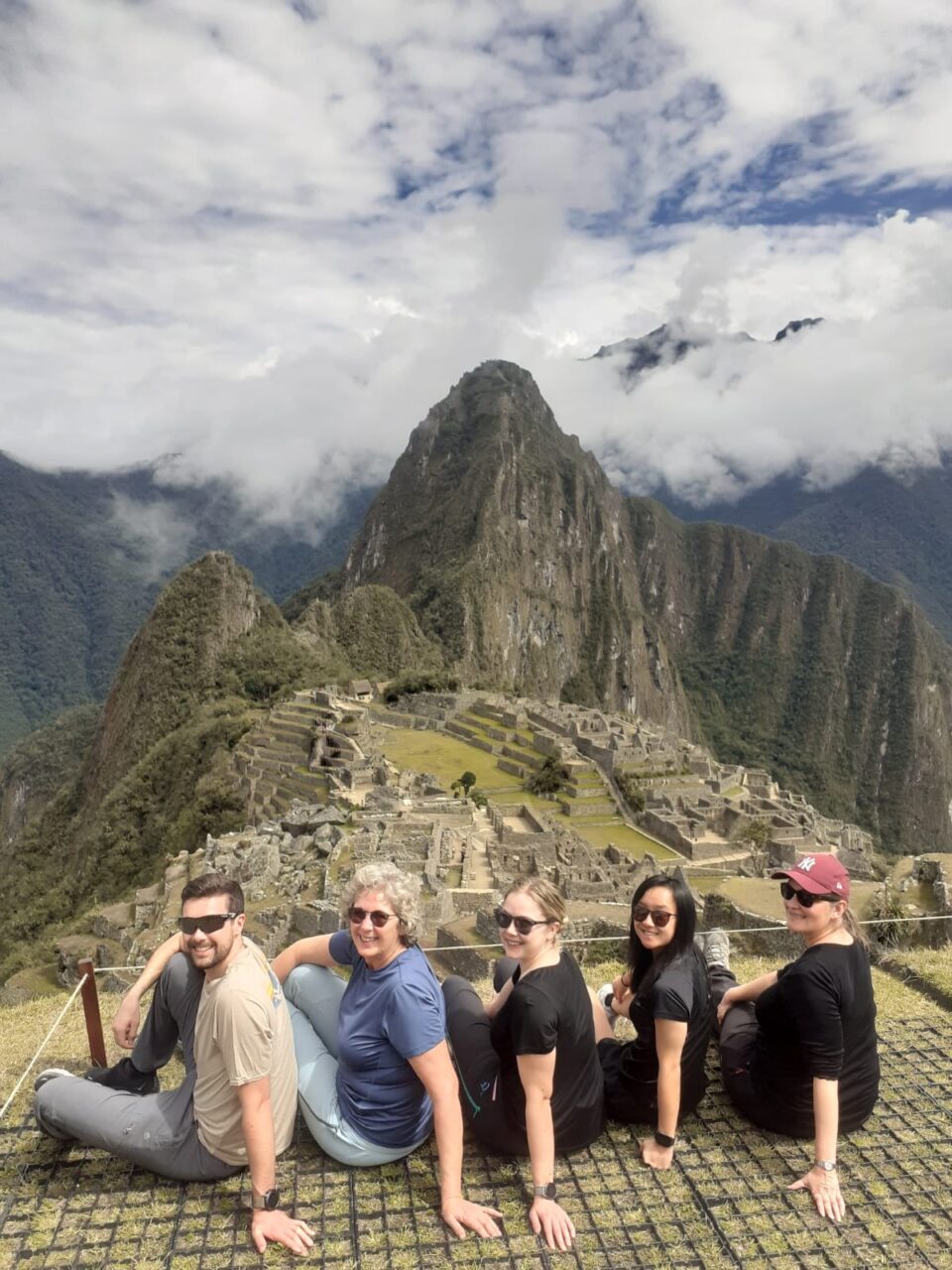
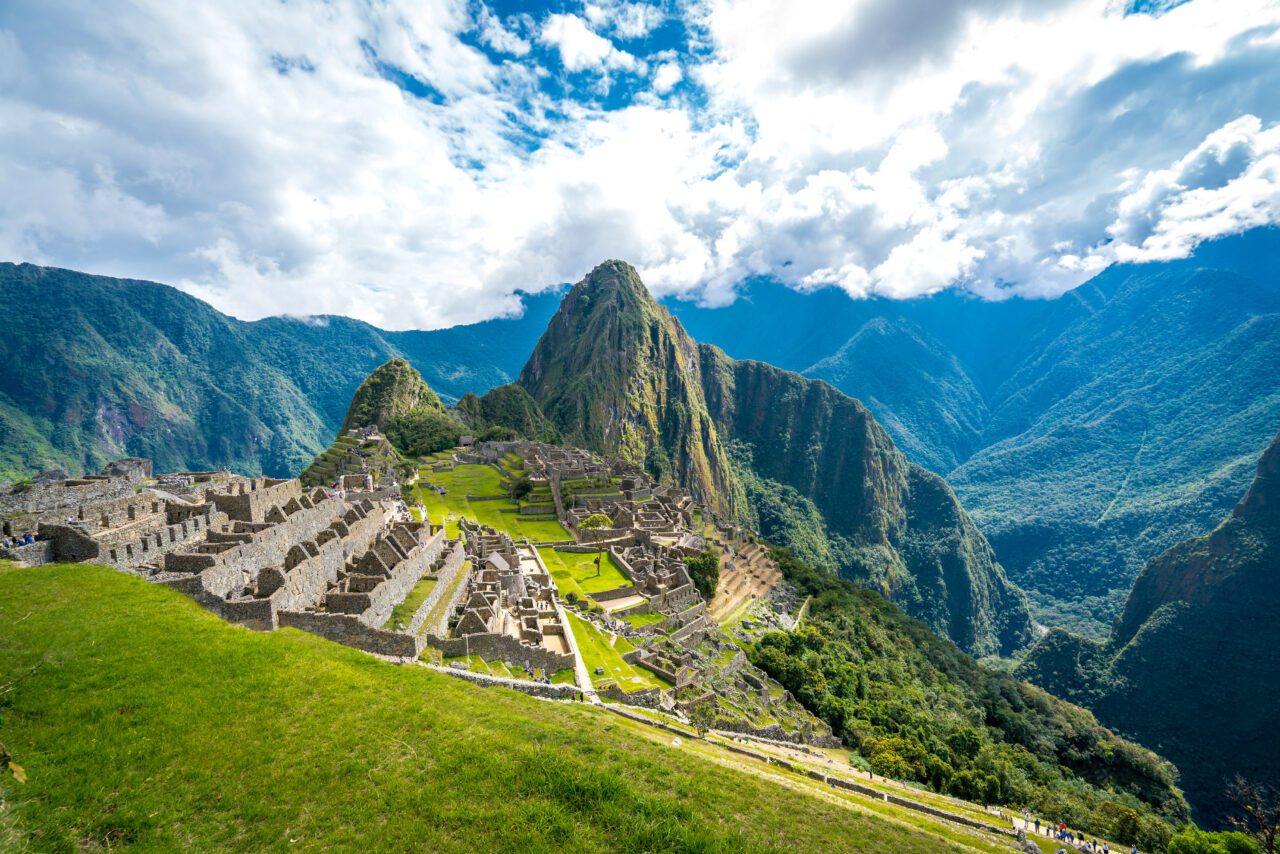
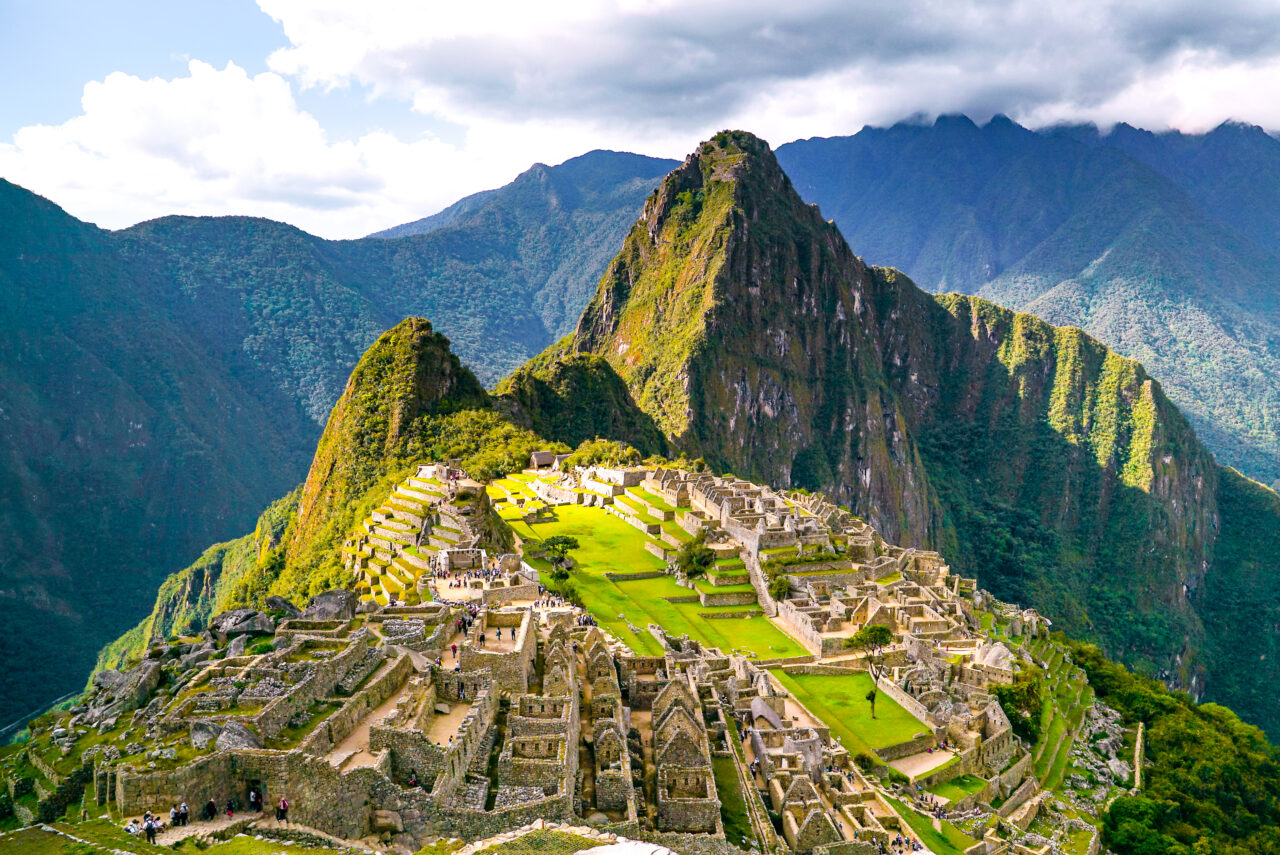
Book through official channels, respect your assigned circuit and entry time, remain on designated routes and follow the guidance of site authorities and your local guide.
-
The Inca Trail and protected areas
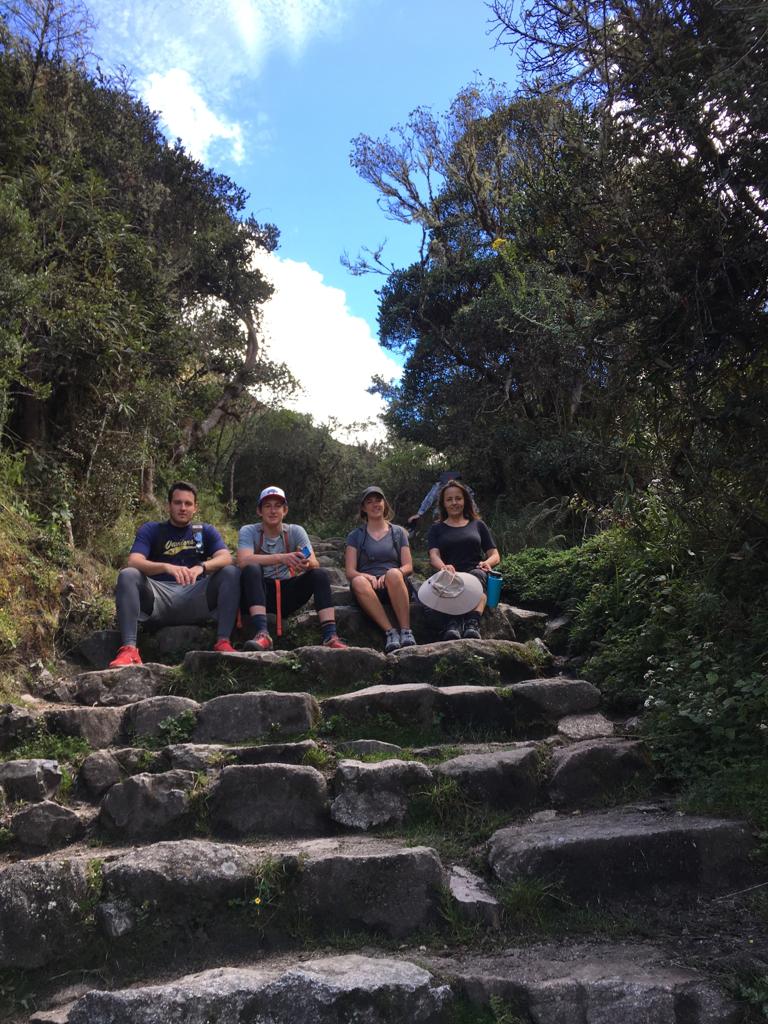
Travel with authorized operators, follow camping and waste-management rules and never remove or disturb natural or archaeological material.
-
Altitude and pace
Allow time to acclimatize. A responsible itinerary should never pressure travelers or staff to follow an unrealistic schedule.
-
Andean communities
Arrive as a guest, not as a spectator. Respect local agreements, private spaces, community schedules and the right of people not to be photographed.
-
Textiles and crafts
Ask about origin, techniques and materials. Authentic work carries cultural knowledge and deserves a fair price.
-
Water and waste
Use water carefully, avoid unnecessary single-use packaging and carry all waste out of trails and rural areas.
-
Less-visited places
When appropriate, combine iconic sites with longer stays and experiences beyond the busiest circuits, helping distribute the benefits of tourism more widely.
Your role as a responsible traveler
Small decisions become powerful when they are part of the entire journey
Before you travel
- Learn about the history, customs and present-day life of the places you will visit.
- Choose a realistic route rather than rushing through a checklist of attractions.
- Bring a reusable water bottle, a small waste bag and low-impact personal care products.
- Ask about altitude, physical requirements and the rules of each site.
While you are in Peru
- Follow designated routes, schedules, visitor limits and guidance from local authorities.
- Ask before photographing or filming anyone, especially children.
- Choose locally made crafts and recognize the time, skill and cultural meaning behind them.
- Enjoy local food and support locally owned businesses whenever possible.
- Reduce single-use plastics and take responsibility for the waste you create.
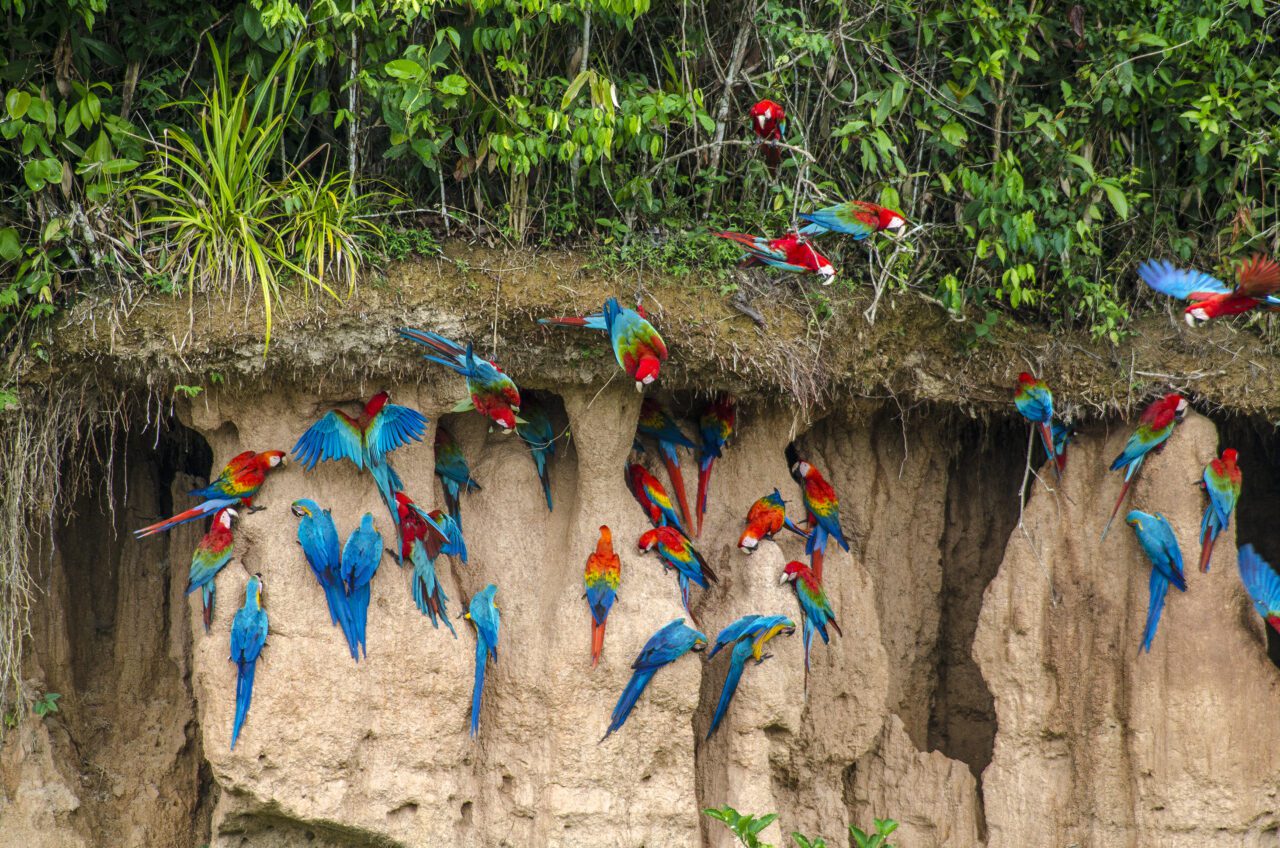
- Keep a respectful distance from wildlife. Never feed, touch or use animals as photo props.
- Avoid giving sweets, money or gifts directly to children. If you wish to contribute, ask about trusted community-led initiatives.
When you return home
- Share photographs and stories with respect and context.
- Think carefully before geotagging fragile or little-prepared locations.
- Recommend responsible practices and continue supporting the people and businesses that shaped your journey.
A clear and honest commitment
Progress matters more than perfect promises
We believe trust comes from evidence, not from labels such as “green” or “eco.” Our responsible travel approach is a process of continuous improvement: strengthening the practices already in place, measuring our impact more consistently and being open about the work still ahead.
What supports our approach today
-
An environmental policy focused on pollution prevention and impact reduction.
-
Sustainability awareness activities for team members, communities and travelers.
-
Community-based experiences and the promotion of local products and knowledge.
-
Native tree planting and support for community initiatives.
-
Training, operational procedures and local support throughout the journey.
[WHERE WE WANT TO GO NEXT — HOLD UNTIL MANAGEMENT CONFIRMS THESE COMMITMENTS]
- Strengthen sustainability criteria for the services and suppliers we work with. [PENDING MANAGEMENT CONFIRMATION]
- Measure how much traveler spending remains in local economies. [PENDING MANAGEMENT CONFIRMATION]
- Track waste, single-use plastics, water use and greenhouse gas emissions more consistently. [PENDING MANAGEMENT CONFIRMATION]
- Formalize principles for collaboration, consent and shared benefits with host communities. [PENDING MANAGEMENT CONFIRMATION]
- Publish a dated annual summary of progress, challenges and evidence. [PENDING MANAGEMENT CONFIRMATION]
- Provide clearer accessibility information for individual experiences. [PENDING MANAGEMENT CONFIRMATION]
The goals we work to
Eight of the UN SDGs
These are the goals from the 2030 Agenda that our operating policy addresses directly.
01 · No poverty
Tourism that supports local communities with fair, dignified work where the trips actually run.
05 · Gender equality
Equal pay and career opportunity, a workplace free of harassment, and safety for women travelling with us.
08 · Decent work
Fair employment and responsible, ethical practice through our supply chain.
09 · Industry & innovation
Designing trips that lower environmental impact while protecting cultural and natural heritage.
12 · Responsible consumption
Reducing plastic use and helping travellers understand the impact of how they travel.
13 · Climate action
Measures to reduce the carbon footprint of our trips and raise awareness of why it matters.
15 · Life on land
Practices that protect terrestrial ecosystems, including inside the Tambopata National Reserve.
16 · Peace & justice
Working with communities so their rights and cultures are respected on the ground.
A quality foundation that still guides us
Quality is not defined by a logo alone
It is reflected in the systems, habits and decisions that shape every journey.
-
ISO 9001 & ISO 14001
achieved
Andean Adventures Peru previously achieved certification to ISO 9001 for quality management and ISO 14001 for environmental management.
-
Management systems
incorporated
Although these certifications are no longer active, the systems, procedures and culture of continuous improvement developed through that process continue to shape how we plan and operate our journeys.
-
CALTUR Gold
received
That work also helped lay the foundation for us to receive CALTUR Gold, a tourism quality recognition from Peru’s Ministry of Foreign Trade and Tourism (MINCETUR).
Frequently asked questions
The questions we’re asked most
What does responsible travel mean?
Responsible travel considers the environmental, social, cultural and economic effects of each decision. It aims to reduce negative impacts while increasing the benefits that travel can bring to local people and the places they call home.
Are sustainable and regenerative tourism the same thing?
Not exactly. Sustainable tourism focuses on reducing harm and maintaining a healthy balance. Regenerative tourism aims to go further by strengthening local ecosystems, communities and relationships. For an experience to be genuinely regenerative, local participation and evidence of positive outcomes are essential.
How can I visit Machu Picchu responsibly?
Book through official channels, respect your assigned circuit and entry time, stay on permitted routes and follow the instructions of your guide and site authorities. Planning enough time for the journey also creates a calmer and more rewarding experience.
Does visiting a community always create a positive impact?
No. The outcome depends on how the experience is designed, who makes the decisions, how benefits are shared and whether the community has given informed consent. We favor experiences shaped with local participation and avoid treating people as attractions.
Is responsible travel more expensive?
Not necessarily. Some responsible choices may cost more because they recognize skilled work, appropriate group sizes or formally operated services. Others — such as traveling at a better pace, reducing waste and buying locally — depend more on thoughtful decisions than on a larger budget.
Can my responsible journey be personalized?
Absolutely. We can adapt the duration, pace, physical level, comfort and style of experience. Personalization allows us to create a journey that reflects your interests while remaining realistic and considerate of the places you visit.
Let us design a journey that feels good — and does good
Tell us where you would like to go, how much time you have and what kind of connection you hope to find in Peru. Our local team will create a tailor-made proposal with a thoughtful pace, meaningful experiences and responsible choices built into the journey from the start.
- A planner in Cusco replies within 24 hours
- No deposit and no obligation to book
- Answered directly in English or Spanish
Select “Responsible travel” when you send your enquiry, and we will shape your proposal around these priorities from the very beginning.